

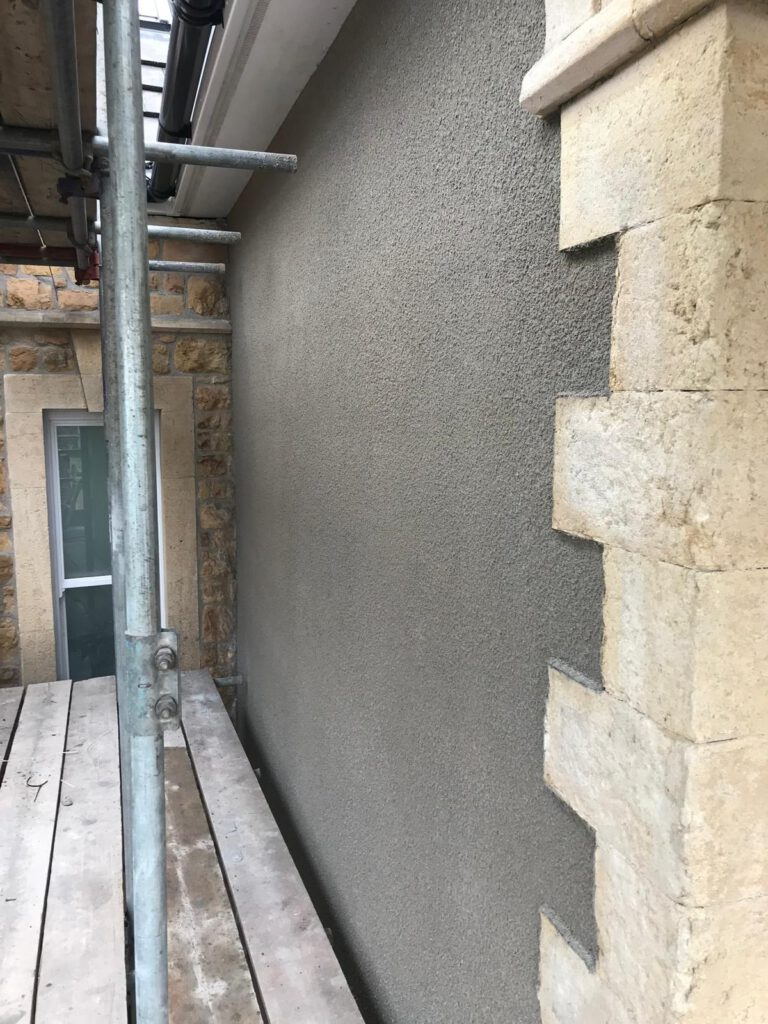
Rendering in Bristol
Covering Bristol and the surrounding areas, Povey Plastering provides exterior finishing, dry lining, and property maintenance work to homeowners and commercial clients across the wider region and beyond.
Experts in Render Repair, Application and Removal
I am a trusted plasterer, renderer, and dry lining contractor based in Bristol, handling exterior wall finishing and property maintenance for homeowners and commercial clients across the city and beyond. Being a qualified plasterer and dry lining contractor means boards, brickwork, and the finish coat are all handled by me, without passing work to a separate team partway through.
The core jobs I take on include:
- Exterior Wall Finishing
- Silicone and Thin Coat Renders
- External Wall Insulation
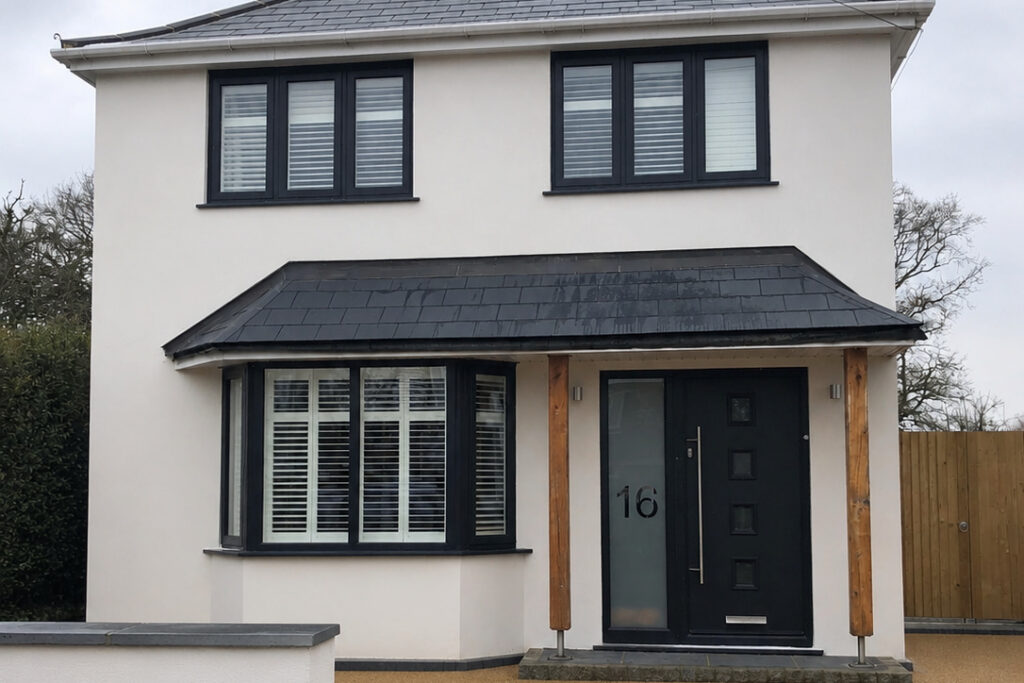
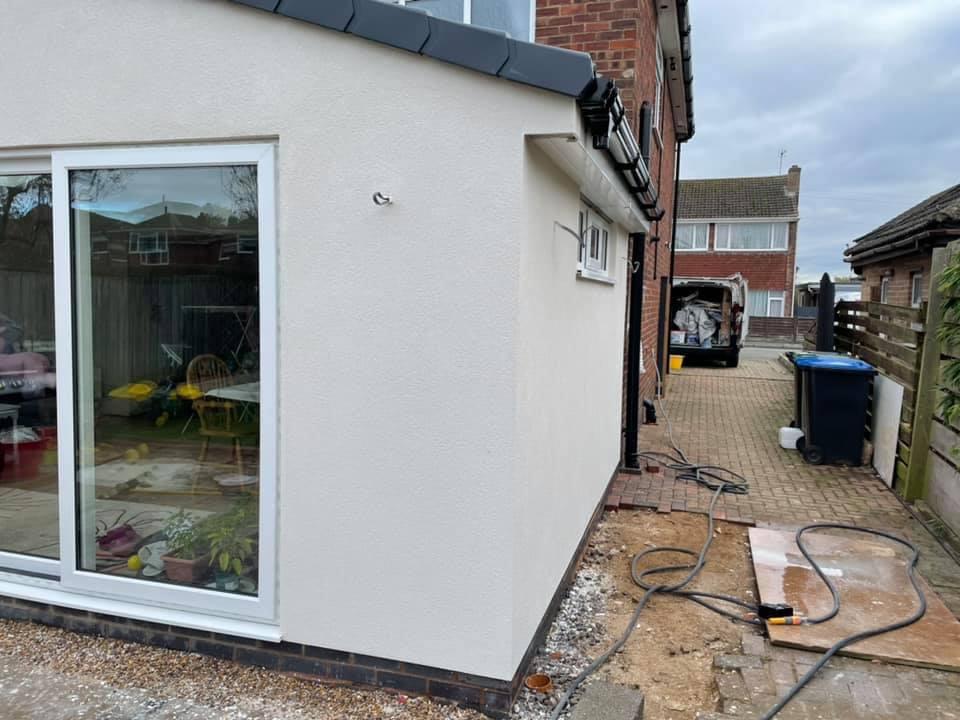
Protecting and Weatherproofing Brickwork
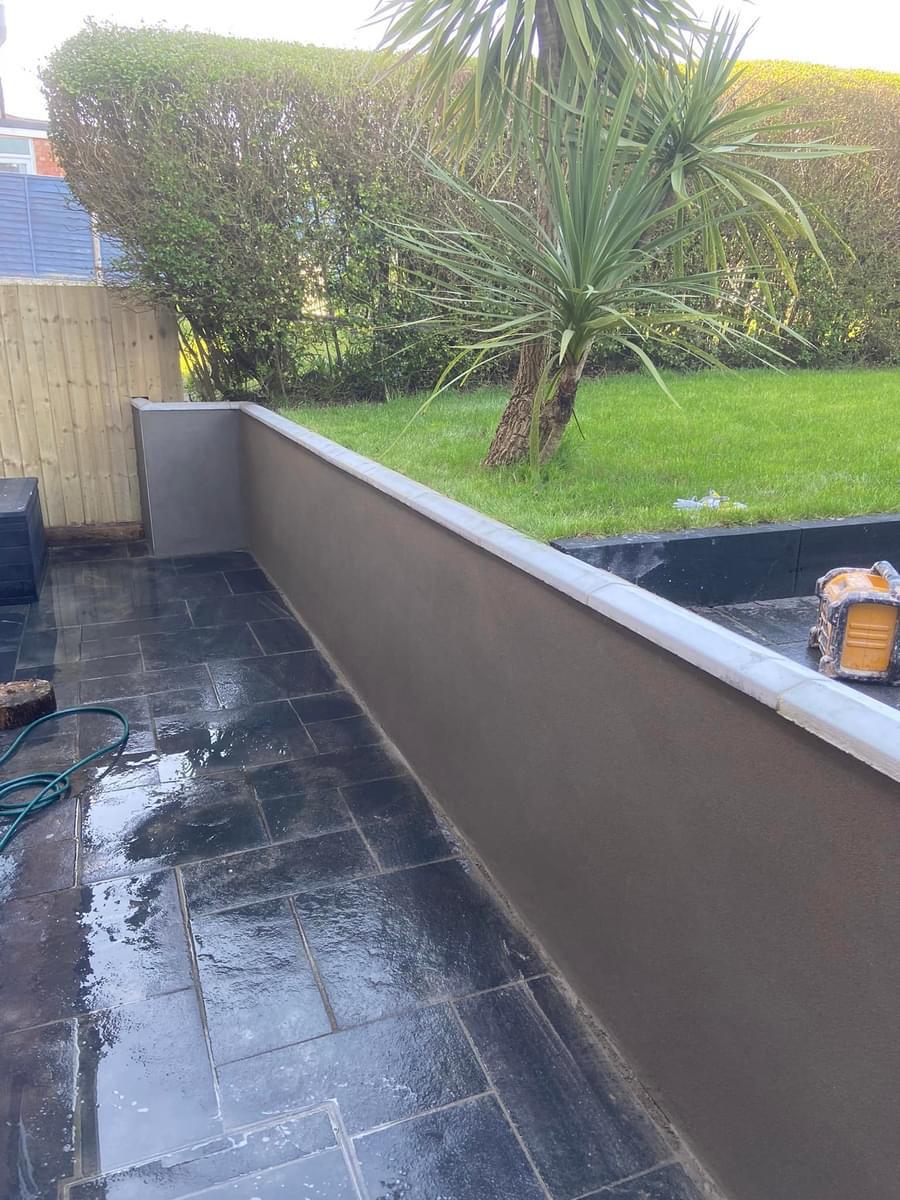
This service means protecting and weatherproofing exterior brickwork using traditional sand and cement or a modern monocouche finish. A well-applied wall render keeps moisture out of the brickwork behind it, and it also gives a property a cleaner, more finished appearance from the street. Getting the mix and thickness right matters more than it might seem, since a coat applied too thin or too fast is one of the most common reasons cracks appear within a year or two. Weather conditions on the day of application matter too, since applying a finish in direct sun or during a frost both cause the same kind of premature cracking further down the line.
Silicone and Thin Coat Renders for a Modern Finish
Silicone and thin coat renders are an advanced, flexible, and water-resistant type of coloured rendering that needs very little maintenance once applied. Unlike traditional sand and cement finishes, silicone renders flex slightly with the building rather than cracking under movement, and they resist algae and staining far better over time. This makes them a popular choice when I’m working on a long-lasting exterior finish without repeated repainting for the client. The higher upfront cost compared with a standard sand and cement coat is usually offset over the years by not needing to repaint or patch the surface every few seasons.
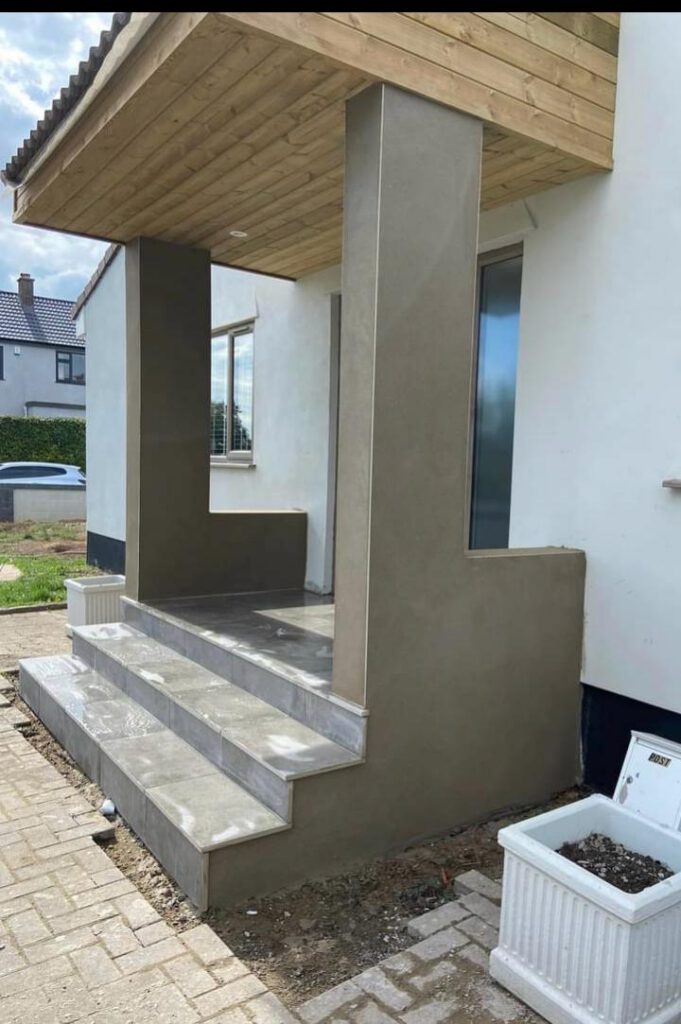
External Wall Insulation and Exterior Finishes
External wall insulation involves fixing insulating boards to the exterior of a property before applying a finish coat on top, improving energy efficiency without losing internal floor space. This approach suits older solid-wall properties that struggle to hold heat, and it’s often something I consider alongside a full render removal job, since stripping an old, failing wall render back to brick is usually the sensible starting point before boards go up. As a dry lining contractor as well as a renderer, I can also handle any internal boarding needed alongside the exterior work. Grants are sometimes available for external wall insulation on qualifying properties, though eligibility depends on the household and the current energy rating of the home, so it’s worth checking current criteria before assuming a project qualifies.
FAQs – Rendering
Coloured rendering is a render finish with the colour mixed in during manufacture, so it doesn’t need painting afterwards. This holds its colour for far longer than a painted finish would, and it’s one reason this type of finish has become the more popular choice on newer builds.
Traditional sand and cement finishes typically need several weeks to fully cure before painting, while modern silicone and monocouche renders are usually pre-coloured and don’t need painting at all. Painting too soon on a traditional finish can trap moisture and cause it to fail early, and this is one of the most frequent mistakes homeowners make when trying to finish the job themselves after I’ve applied the base coats.
Sometimes. Small cracks and patches can often be repaired without a full render removal, but if the existing wall render has failed extensively or has moisture trapped behind it, removal and a fresh application is usually the safer long-term option. Patching a failing render can sometimes mask the problem for a season or two before the same section fails again, so I’ll always give an honest assessment before charging for a repair that won’t hold.
Most exterior finishing work falls under permitted development, though listed buildings and some conservation areas have extra restrictions on exterior finishes. It’s worth checking with the local council before starting any large-scale work on an older or protected property.
A well-applied traditional render typically lasts twenty to thirty years before it needs significant repair, while modern silicone and thin coat finishes can last even longer with proper maintenance. Coastal or particularly exposed properties tend to see finishes wear faster than those in more sheltered locations, simply because of the extra weather exposure involved.
Contact Me
As your local plasterer, renderer, and dry lining contractor covering the entirety of Bristol and the surrounding areas’ towns and villages, get in touch to receive a no-obligation quote for your rendering project. Call 07792 703783 today.