

Plaster Repair in Bristol
Plaster repairs, skimming, traditional plaster restoration, and associated wall and ceiling work for homeowners across Bristol, Shirehampton, Clifton, Redland, and surrounding areas.
Plaster Restoration and Repairs By a Professional
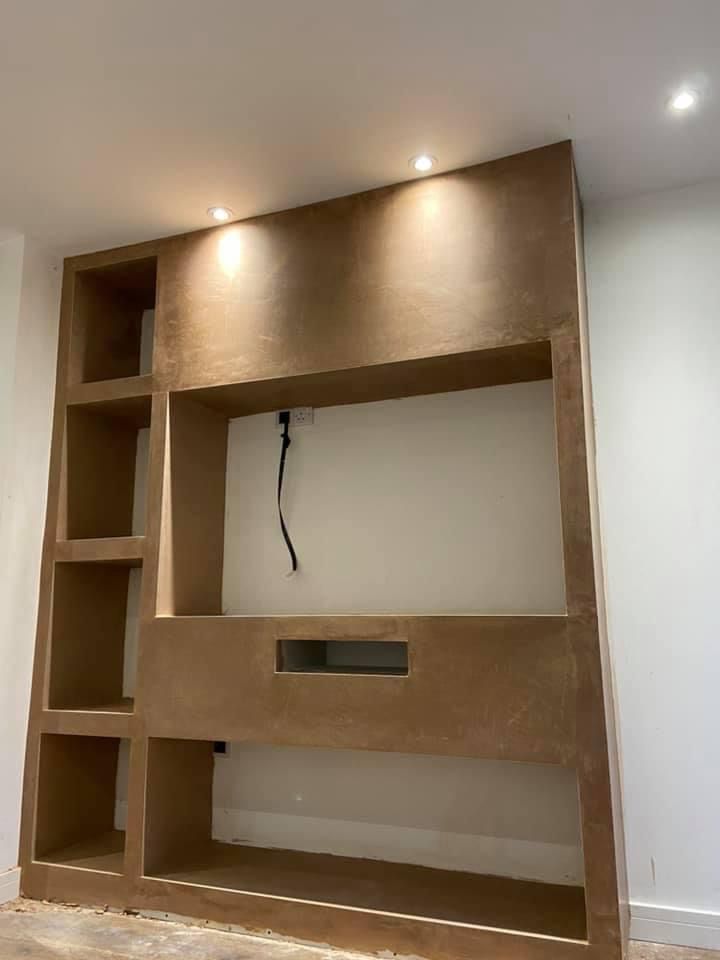
I am a local plasterer, renderer, dry lining contractor, and plaster repair specialist, taking on repairs to walls and ceilings in homes of all ages. Small areas of damaged plaster can often be repaired without disturbing an entire room, while more extensive deterioration may call for skimming, overboarding, or complete replastering. I assess the condition of the existing surface first, then recommend the most sensible repair for the property rather than automatically replacing sound material.
The core jobs I take on include:
- Ceiling Repair and Overboarding
- Crack and Hole Patching
- Decorative Cornicing and Coving
- Dry Lining
- Lath and Plaster Restoration
- Repairs Following Plumbing and Electrical Work
- Skimming and Replastering

Repairing Cracks, Dents, and Holes
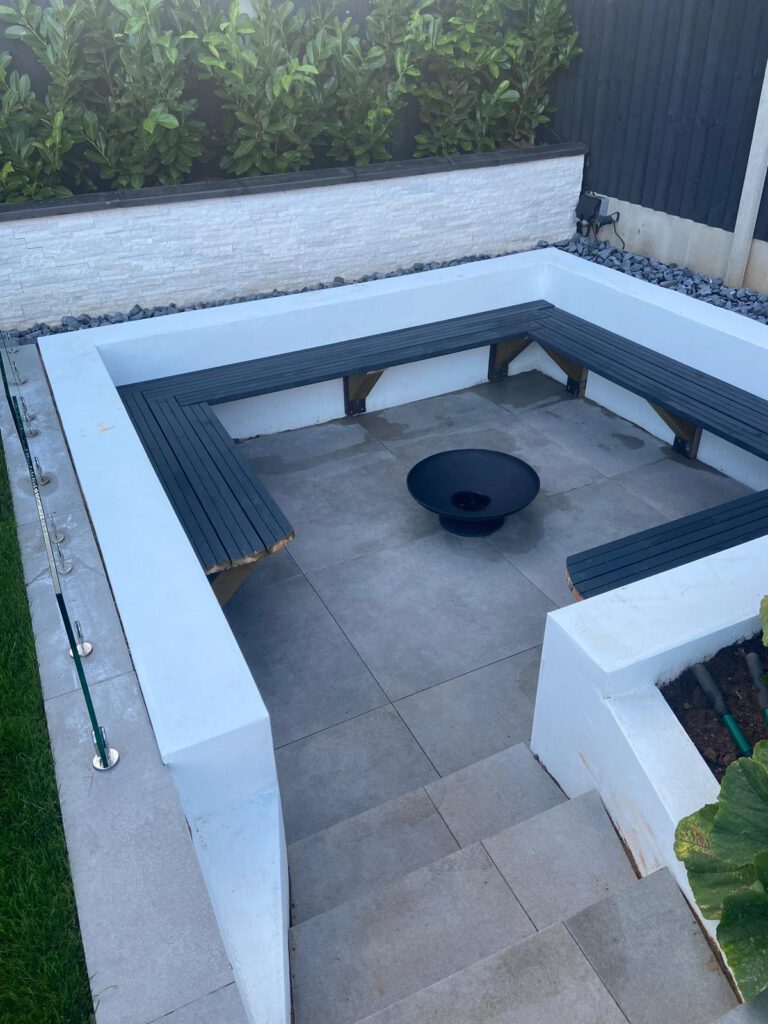
Small areas of damaged plaster are often caused by everyday use rather than a major structural problem. Nail pops, fixing holes, dents, minor impact damage, and localised cracks can all leave walls looking untidy, particularly once light catches an uneven surface. My wall repair work involves removing anything loose, cleaning and preparing the damaged area, then filling and finishing it so the repair sits neatly with the surrounding plaster.
Larger holes may need additional backing material before the surface can be rebuilt. I also look at the reason for the damage, since simply filling a recurring crack without addressing movement, moisture, or another underlying issue can lead to the same problem appearing again.
Creating Smooth Surfaces With Skimming
Skimming involves applying a fine finishing coat across an existing wall or ceiling to create a smooth surface ready for decorating. It can be a practical option when the underlying plaster is generally sound but has become marked, uneven, or dated. I prepare the existing surface carefully before applying the skim, including dealing with loose material, cracks, joints, and areas that could affect adhesion.
This approach is particularly useful when refreshing several walls at once, as it can give an older room a completely different appearance without removing every layer of existing plaster. The plaster then needs sufficient drying time before painting, with the exact period depending on the thickness applied, ventilation, temperature, and moisture levels.

Restoring Traditional Lath and Plaster
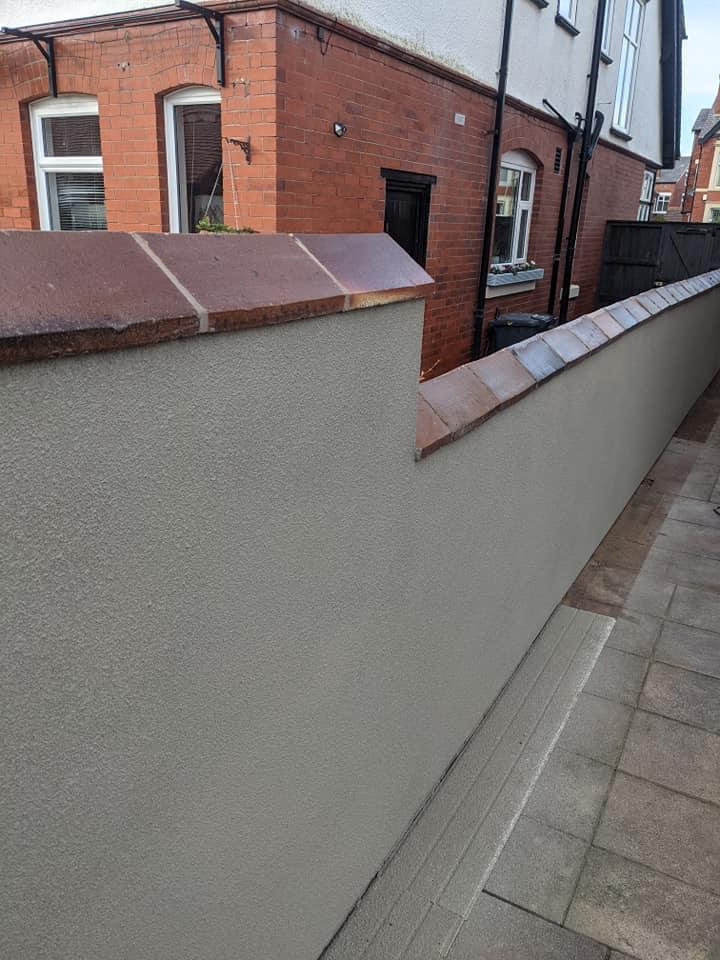
Period properties can contain traditional lath and plaster, which behaves differently from modern plasterboard construction. The timber laths provide the backing for the plaster, and sections can become loose, cracked, or detached with age. My plaster restoration work focuses on retaining sound original material where possible and repairing damaged sections using methods appropriate to the existing construction.
That can involve securing loose areas, replacing damaged backing, and rebuilding sections of plaster rather than simply covering everything with a modern board. This is particularly relevant in older properties where removing historic plaster unnecessarily could alter the character of the building. I assess the existing construction before deciding how much needs to be disturbed.
Putting Sagging and Cracked Ceilings Right
Ceiling damage needs a little more investigation than a straightforward wall patch because loose or sagging plaster can indicate that the existing backing has deteriorated. I repair cracked ceiling surfaces where the underlying construction remains suitable for repair, but severely damaged areas may need overboarding or replacement.
Overboarding involves fixing new plasterboard securely over the existing ceiling, creating a stable base for plastering without removing every layer above it. This can reduce disruption compared with taking down a complete ceiling, although the existing surface and fixing points need to be suitable. Where the existing ceiling is too unstable or damaged, replacement may be the more appropriate option.
Creating a New Base With Dry Lining
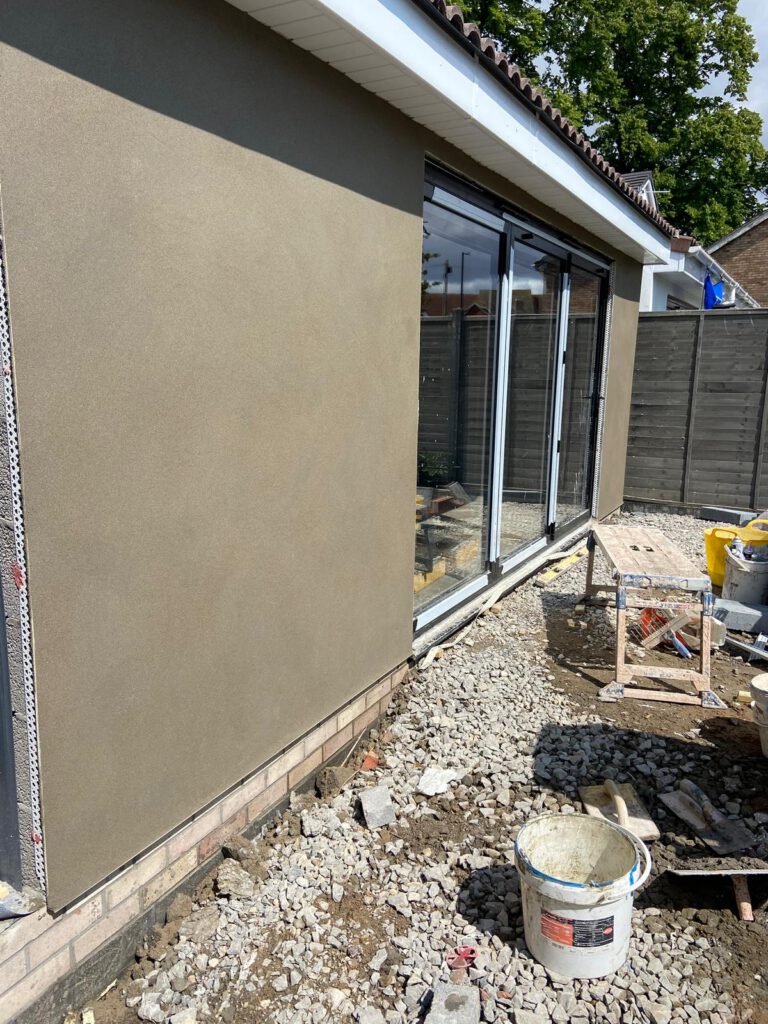
Dry lining involves fixing plasterboard to walls to create an even surface before plastering or finishing. It can be useful on uneven masonry, during renovations, or where an existing wall is unsuitable for achieving a good finish through plaster alone. As a Dry Lining Contractor, I can install the boards, deal with joints and fixings, and prepare the surface for the subsequent plastering work.
Dry lining can also form part of a wider refurbishment where several trades are working on the property. Getting the boards level and securely fixed matters, as imperfections in the underlying installation can become noticeable once the final plaster coat is applied.
Making Good After Plumbing and Electrical Work
Plumbing and electrical alterations frequently leave channels, holes, and sections of damaged plaster behind once cables, pipes, sockets, or other services have been installed. I carry out plaster repair services to make these areas good once the utility work itself has been completed. This can involve filling chased-out sections, securing suitable backing, rebuilding damaged plaster, and blending the finish into the surrounding wall.
I normally work after the electrician or plumber has finished and checked their installation, so the repaired surface is not subsequently opened up again. For homeowners renovating one room or carrying out larger alterations, getting the making-good stage right is important before decorating begins.
Repairing Decorative Cornicing and Coving
Decorative plaster features can suffer chips, cracks, breaks, and sections lost during renovations. Coving and ornamental mouldings are often repairable, particularly when most of the original feature remains in place. I can make good damaged sections or replace missing lengths where appropriate, taking care to match the existing profile as closely as practical.
Older properties can have unusual cornicing that is difficult to reproduce using standard off-the-shelf profiles, so I first assess what remains before deciding on the best repair method. Keeping sound original features can also make more sense than removing an entire run because of one damaged section.
FAQs – Plaster Repair
Yes, in many cases. Localised cracks, holes, dents, and damaged sections can be repaired individually when the surrounding plaster is sound. If the existing surface is extensively blown, uneven, or deteriorated, skimming or replastering may provide a more reliable result.
I first establish how extensive the crack is and check the surrounding plaster. Loose material is removed, the area is prepared, and the repair is filled and finished appropriately. Persistent or significant cracking may need further investigation rather than simply being filled.
Yes. Traditional lath and plaster can often be repaired when enough of the original construction remains sound. The repair method depends on the condition of the laths, the plaster, and how securely the existing material is attached.
Skimming can be suitable when the existing surface is fundamentally sound but needs a fresh, smooth finish. Replastering is more appropriate when the underlying plaster has failed extensively or cannot provide a stable base for a new coat.
Sometimes. Cracks and localised damage can often be repaired in place, while overboarding can provide a new plasterboard surface when the existing ceiling is damaged but suitable for secure fixing. Severely unstable ceilings may need more extensive replacement.
Contact Me
As your local plasterer, renderer, dry lining contractor, and specialist in plaster repair services, I can assess damaged walls, ceilings, traditional plaster, and decorative features before recommending the appropriate repair. Call 07792 703783 to discuss your Plaster Repair requirements.