
Plastering in Bristol
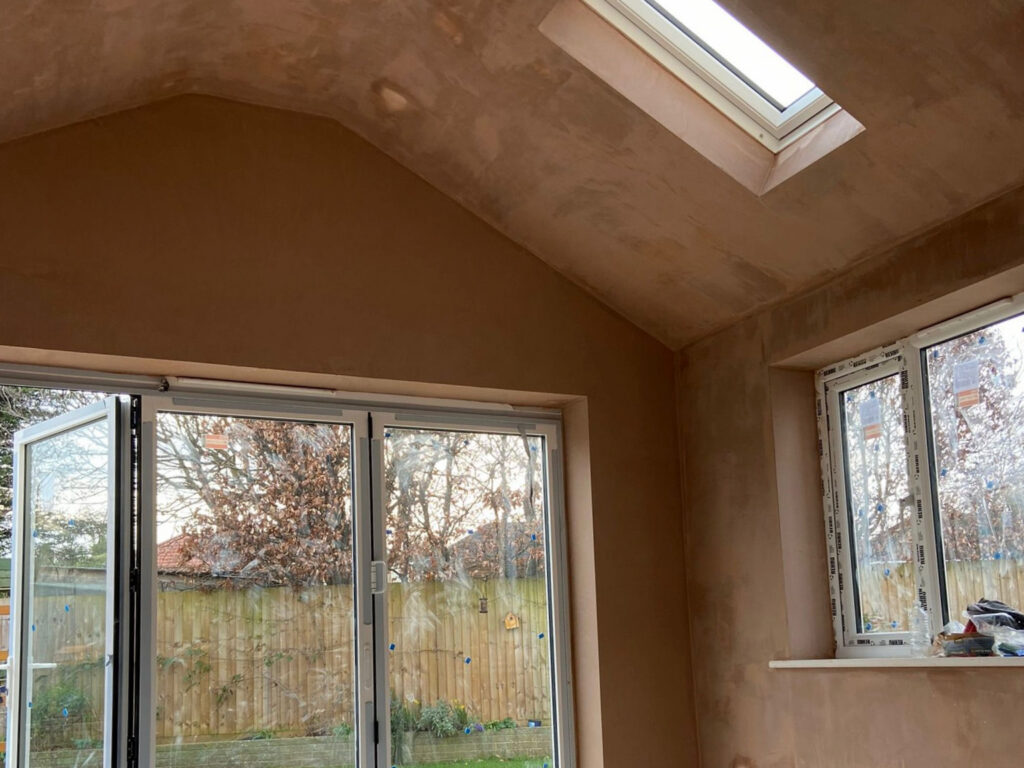
Covering Bristol and the surrounding areas, including Shirehampton, Povey Plastering provides plaster, render, and dry lining work to homeowners and commercial clients across the wider region and just beyond, too.
Professional Plastering for Homes and Properties
I am a trusted plasterer, renderer, and dry lining contractor based in Bristol, handling plaster, render, and property maintenance for homeowners and commercial clients across the city and beyond. I also handle smaller wall repairs alongside larger contracts.
The core jobs I take on include:
- Skimming
- Drylining and Plasterboarding
- Dot and Dab
- Re-Skimming and Patching
- Coving and Cornicing
What Skimming Involves
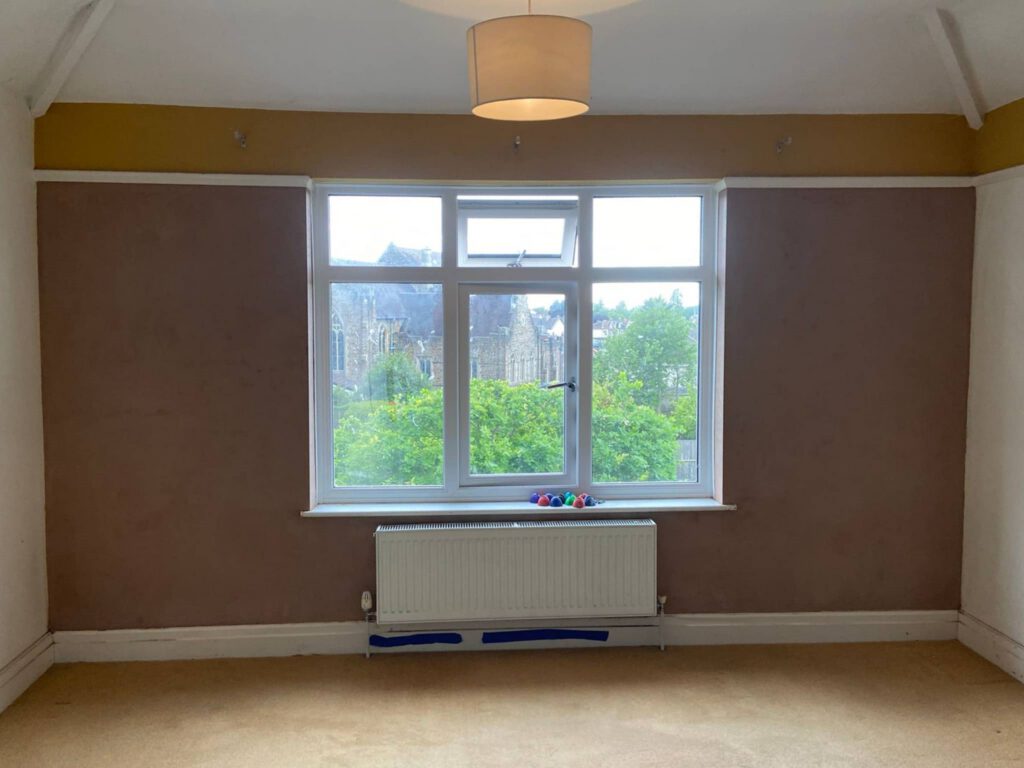
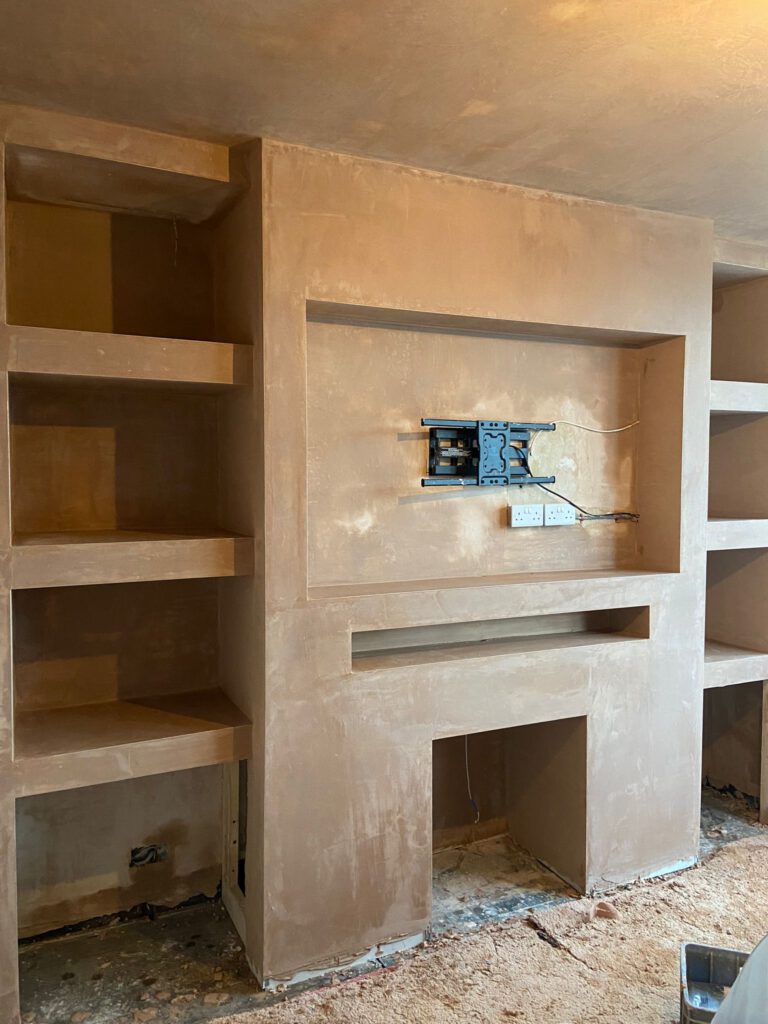
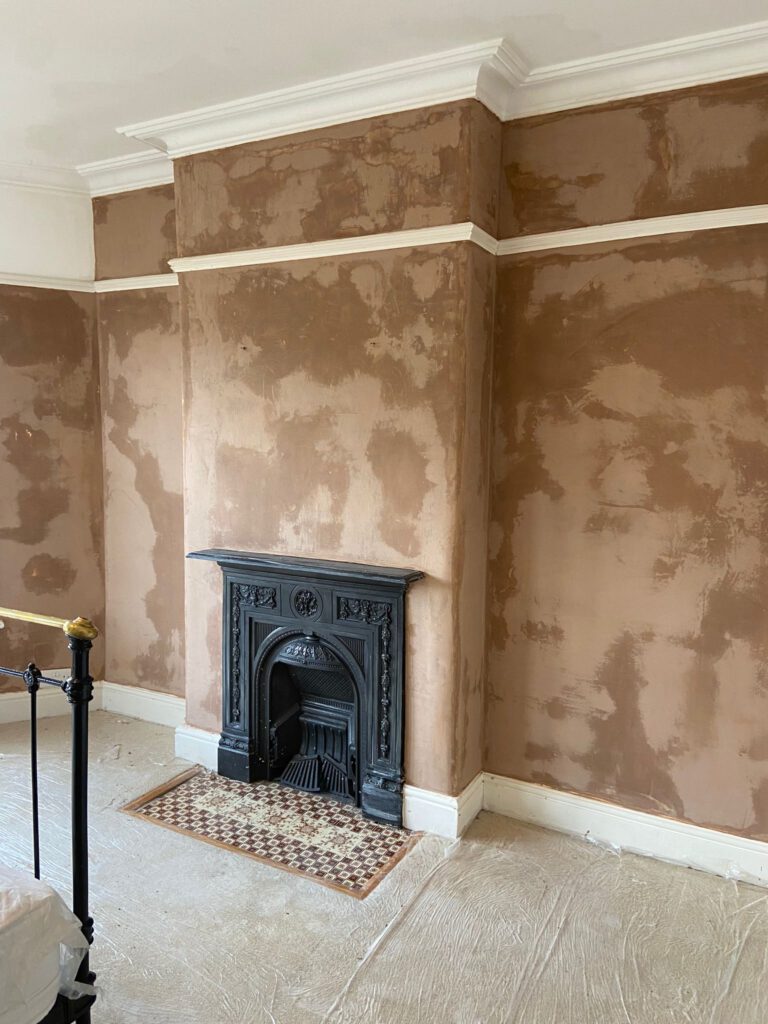
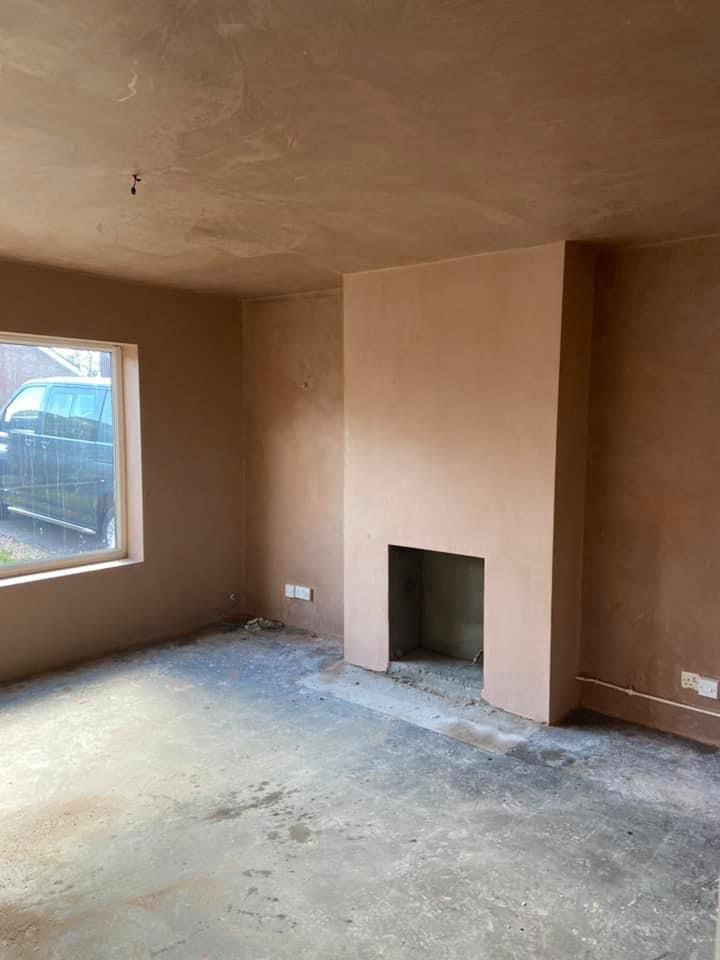
Skimming means applying a fine topcoat layer over existing plaster, plasterboard, or artex to create a smooth, paint-ready finish. It’s one of the most requested jobs for homeowners refreshing a ceiling or wall without a full replaster, and it forms the basis of most wall skimming work I take on across the city. A good skim depends heavily on preparation: any loose material has to come off first, and the surface underneath needs to be sound enough to hold a new coat without cracking or blowing later on.
Drylining and Plasterboarding for New Walls and Partitions
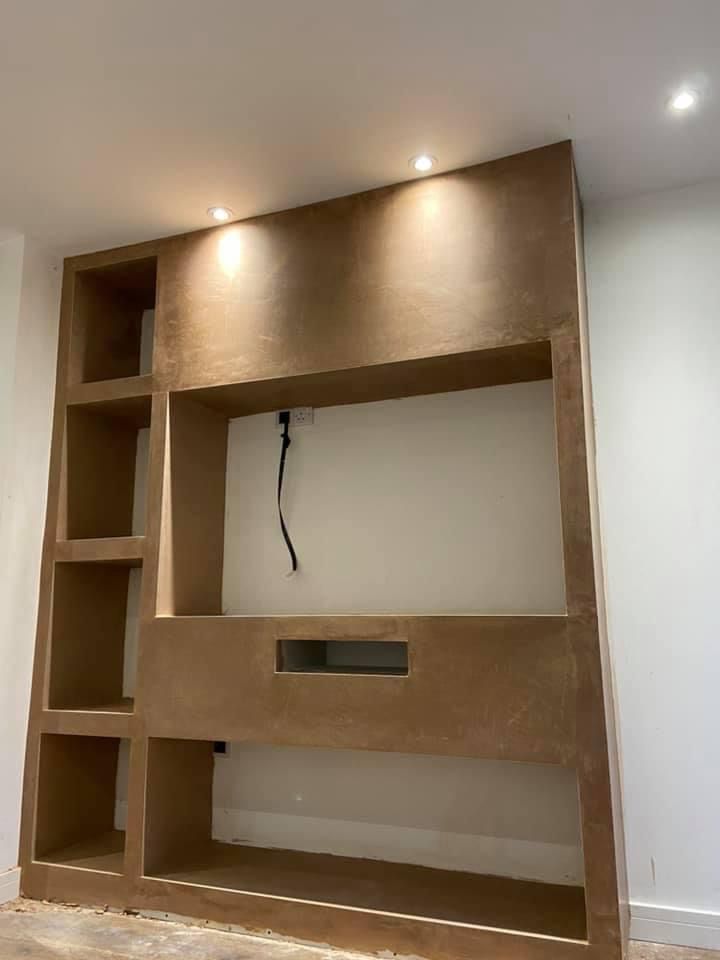
Drylining and plasterboarding involves fixing plasterboard sheets to metal or timber stud-work to create new walls and partitions. This method suits new builds, loft conversions, and room reconfigurations where a stud framework already exists, and it’s a significant part of the work I carry out as an experienced plasterer on a modern build. Boards need to be fixed at the right spacing and screwed correctly, since a poorly fixed board will show through as ridging or cracking once it’s been skimmed and decorated.
Dot and Dab as a Fixing Method
Dot and dab is a quick, common dry-adhesion method used to fix plasterboard directly to solid brick or block walls, without needing a full stud partition first. It’s often the fastest way to bring an older solid wall up to a modern, paintable standard, and as a competent renderer, I know when dot and dab suits a wall better than wet plaster. Uneven or damp masonry can rule it out on some jobs, which is why a proper look at the wall before quoting matters more than following one method by default.
Re-Skimming, Patching and Artex Removal
Re-skimming and patching covers removing damaged or water-blistered plaster and repairing isolated cracks or holes, rather than starting again with a full re-plaster. This kind of wall repair often comes up alongside artex removal, particularly in older properties where a textured ceiling has cracked, discoloured, or simply gone out of fashion.
Coving and Cornicing for a Finished Look
Coving and cornicing involves installing decorative plaster moulding to bridge the gap between walls and ceilings, adding a finished, traditional look to a room. It’s a smaller job in isolation, but it’s frequently requested alongside wall skimming or a full re-plaster, since most clients prefer to have coving fitted while the room is already being worked on. Getting a clean, consistent mitre at each corner takes a steady hand and a bit of patience, and it’s usually the detail that makes coving look either sharp or slightly off once it’s painted.
FAQs – Plastering
Skimming refers specifically to the thin final topcoat applied over plasterboard, artex, or existing plaster to create a smooth finish. The term itself is broader, covering skimming, rendering, drylining, and repair work, so a wall skimming job is technically one part of the wider trade rather than a separate discipline altogether.
Yes, a dry lining contractor typically handles fixing plasterboard to stud-work before any skimming takes place, since the boards need to be fitted, taped, and jointed correctly before a smooth finish can go on top. Trying to skim over a poorly boarded wall rarely ends well, since any movement or gap in the boards tends to telegraph through the finished surface.
In most cases, yes. An overskim avoids the disruption of full artex removal, though I may recommend removal first if the ceiling is severely damaged, unstable, or contains materials that need to be dealt with before any new plaster goes on.
Costs vary depending on the extent of the wall repairs needed, and any redecorating included afterwards. A single small patch costs far less than reskimming an entire ceiling, so any straightforward wall repair is usually worth a quick quote before committing to a bigger job.
Fresh plaster usually needs at least five to seven days to dry properly before it’s painted, though this depends on room temperature, ventilation, and how thick the coat is. Painting too early is one of the most common reasons a finish looks patchy or flat once the paint goes on, so it’s worth waiting the full drying period even when a room feels ready sooner.
Contact Me
As your local plasterer, renderer, and dry lining contractor covering the city and surrounding areas, I’m ready to quote on skimming, drylining, dot and dab, re-skimming, or coving work. Call 07792 703783 for your plastering project.